
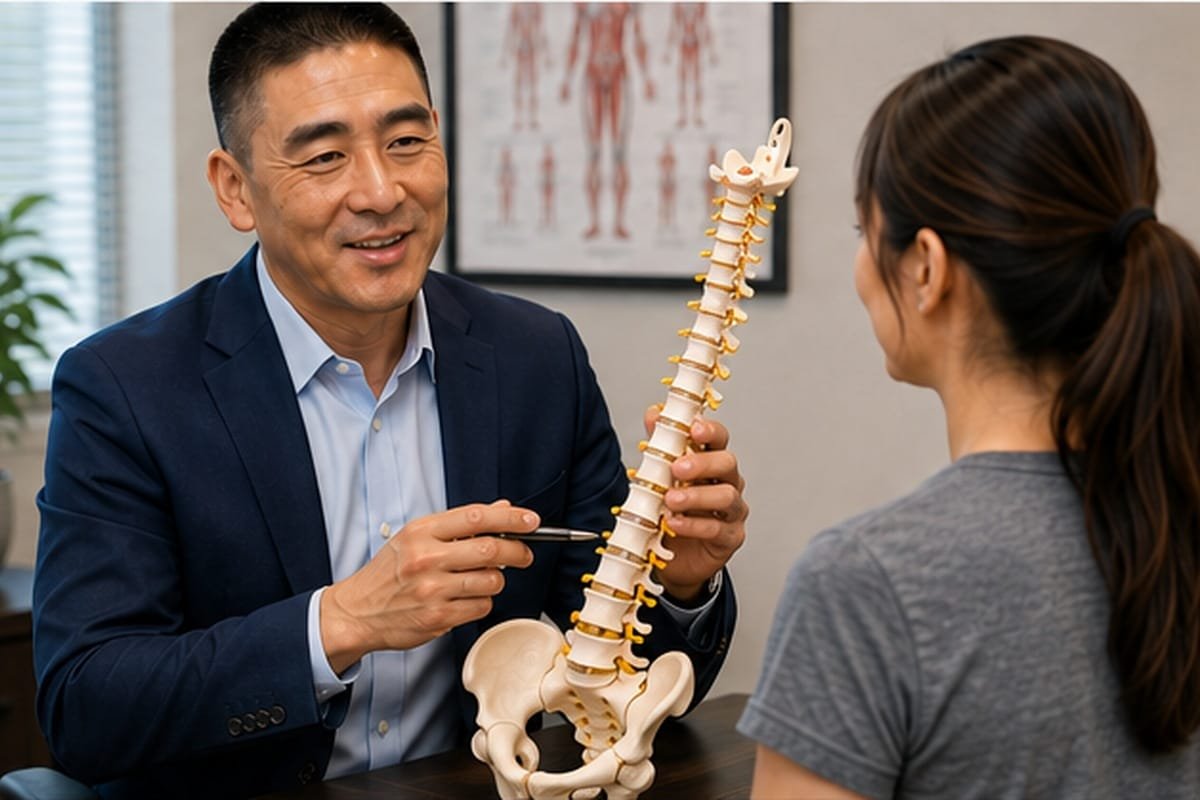
What is the difference between joint manipulation and mobilization?
Joint manipulation generally involves a controlled, relatively quick thrust applied to a joint. Joint mobilization is a non-thrust approach that uses controlled movement within the joint's natural range of motion. The appropriate approach depends on the individual patient, the area being evaluated, relevant health information, and clinical findings.
If you are researching chiropractic care in Torrance, CA, you may see the terms joint manipulation, joint mobilization, or chiropractic adjustment used when describing hands-on care.
Although manipulation and mobilization are related manual approaches, there is an important technical difference between them.
The National Center for Complementary and Integrative Health describes spinal manipulation as a technique involving a controlled thrust to a spinal joint. Spinal mobilization, by comparison, does not involve a thrust and is performed within the joint's natural range of motion.
Understanding this distinction can make it easier to ask informed questions when discussing joint manipulation and mobilization in Torrance, CA with Dr. Cliff Ikeda, D.C.
The Main Difference Between Manipulation and Mobilization
The simplest distinction is whether the technique uses a thrust.
Controlled Thrust
Manipulation involves a controlled thrust applied to a joint. The amount of force and technique can vary depending on the area and the individual being treated.
Non-Thrust Movement
Mobilization does not involve a thrust. Instead, controlled movement is performed within the joint's natural range of motion.
Neither term by itself tells you whether a particular technique is appropriate for you. That decision requires assessment of the patient and the specific clinical situation.
What Is Joint Manipulation?
Joint manipulation is a manual technique in which a healthcare practitioner applies a controlled thrust to a joint.
In chiropractic care, manipulation is commonly associated with spinal joints, although manual joint techniques may also be considered for other areas depending on the practitioner's scope of practice and the individual patient's needs.
NCCIH describes chiropractic manual treatment methods as ranging from stretching and sustained pressure to specific joint manipulations that usually involve a quick, controlled thrust.
Manipulation is not simply “more force”
The distinction between manipulation and mobilization is based on how the technique is performed—not on the idea that one method must always be stronger, better, or more appropriate than another.
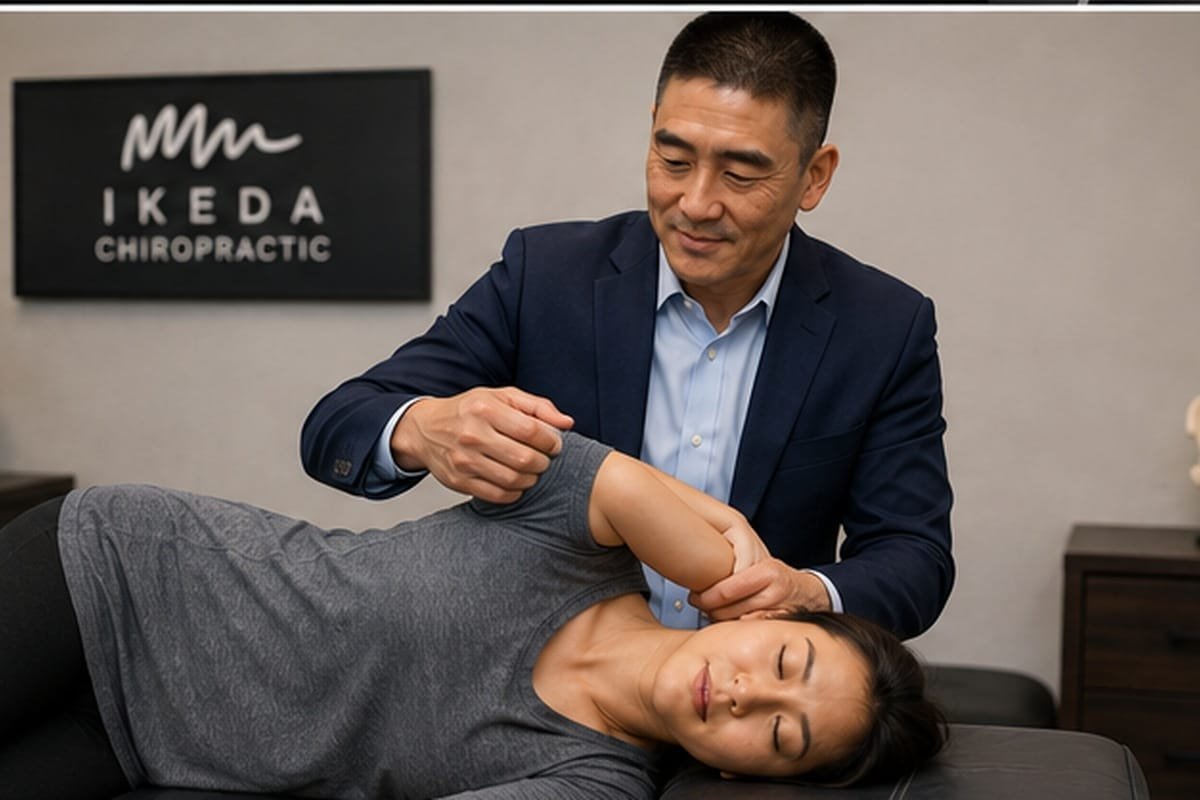
What Is Joint Mobilization?
Joint mobilization uses controlled movement without the thrust associated with manipulation.
NCCIH distinguishes spinal mobilization from spinal manipulation by explaining that mobilization is performed within the joint's natural range of motion and does not involve a thrust.
Mobilization can therefore feel different from a thrust-based manipulation because movement can be applied more gradually and controlled throughout the technique.
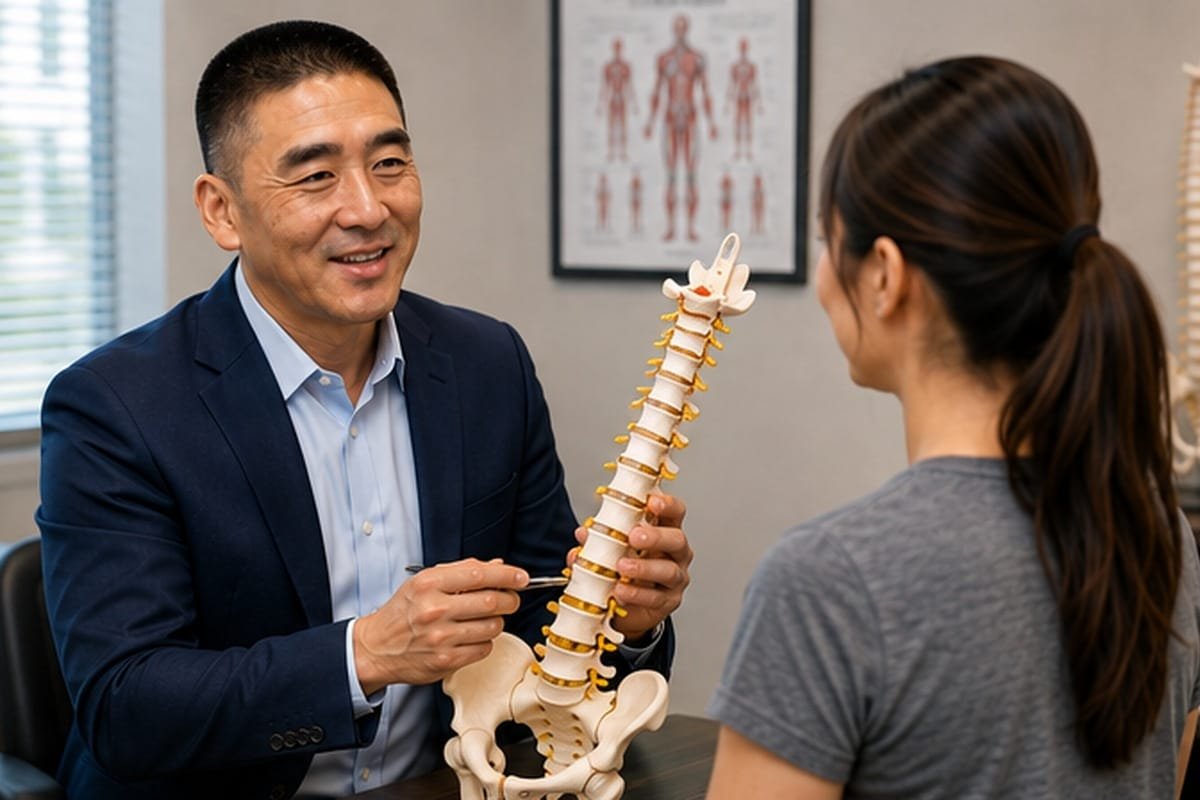
Joint Manipulation vs. Joint Mobilization at a Glance
Both approaches involve manual interaction with a joint, but the way movement is applied differs.
How Does a Chiropractor Decide Which Approach to Use?
Manual care should not begin with the assumption that every patient needs the same technique.
A practitioner may consider information gathered during the patient's consultation and physical evaluation before discussing an appropriate approach.
Relevant considerations can include the reason for the visit, health history, current symptoms, movement findings, joint function, previous injuries or procedures, medications, and other factors that may affect care.
This is why a new patient chiropractic consultation and evaluation are important before decisions about hands-on treatment are made.
Why Evaluation Comes Before Joint Manipulation or Mobilization
NCCIH advises that practitioners thoroughly assess patients before spinal manipulation or mobilization because certain preexisting health problems may affect risk.
At Ikeda Chiropractic, Dr. Cliff Ikeda, D.C. can first review the patient's concerns, relevant health history and movement before discussing appropriate chiropractic options.
Depending on the situation, an evaluation may involve movement, mobility, joint function or other relevant physical findings.
X-rays may also be considered when appropriate rather than automatically being required for every patient.
What Should Patients Know About Safety?
As with other healthcare procedures, patients should provide accurate health information and understand what is being recommended before treatment.
What to Expect From Joint Care at Ikeda Chiropractic
Your visit at Ikeda Chiropractic begins with understanding why you are seeking care rather than immediately assuming a particular manual technique is necessary.
Consultation
Discuss concerns, relevant history, movement limitations and goals.
Evaluation
Assess relevant movement, mobility and physical findings.
Discuss Options
Review appropriate next steps and ask questions about any proposed care.
Individual Care
Use appropriate chiropractic services based on the individual situation.
Chiropractic services available at the clinic include chiropractic care , joint manipulation and mobilization, therapeutic modalities , and therapeutic exercises .
Questions to Ask About Joint Manipulation or Mobilization
Patients can ask questions before agreeing to a manual technique so they understand what is being recommended and why.
Ask whether the proposed approach is manipulation, mobilization, or another form of hands-on care.
Ask how the recommendation relates to your evaluation and individual circumstances.
Understanding what will happen can help you make an informed decision about care.
Ask whether other manual or supportive care options may also be appropriate.
Joint Manipulation and Mobilization at Ikeda Chiropractic
Ikeda Chiropractic is located at 17625 Crenshaw Boulevard, Suite 101, Torrance, CA 90504 .
Dr. Cliff Ikeda, D.C. provides chiropractic consultations, evaluations, X-rays when appropriate, joint manipulation and mobilization, therapeutic modalities, and therapeutic exercises.
Patients looking for joint mobility or chiropractic care in Torrance can begin with a consultation and evaluation before appropriate options are discussed.
Joint Manipulation & Mobilization FAQs
What is the difference between joint manipulation and mobilization?
Manipulation generally involves a controlled thrust applied to a joint. Mobilization does not involve a thrust and uses controlled movement within the joint's natural range of motion.
Is joint manipulation the same as joint mobilization?
No. They are related manual approaches, but the techniques differ. The principal distinction is that manipulation uses a controlled thrust while mobilization is non-thrust.
Is a chiropractic adjustment a form of manipulation?
The term chiropractic adjustment is commonly used for hands-on chiropractic techniques, including forms of joint manipulation. The exact technique used can vary, so patients can ask their chiropractor what specific approach is being recommended.
Is mobilization a gentler alternative to manipulation?
Mobilization is performed differently because it does not involve the controlled thrust used in manipulation. Whether it is appropriate depends on the patient's individual evaluation rather than simply choosing a technique based on perceived intensity.
Does every chiropractic patient receive manipulation?
No. Appropriate chiropractic care depends on the patient's individual circumstances, evaluation findings and the practitioner's clinical judgment.
Where can I ask about joint manipulation and mobilization in Torrance?
Ikeda Chiropractic is located at 17625 Crenshaw Boulevard, Suite 101, Torrance, CA 90504. You can request an appointment online or call 310-771-0881 .
Sources & Further Reading
Spinal Manipulation: What You Need To Know — information about manipulation, mobilization and safety considerations.
View NCCIH information →Chiropractic: In Depth — general information about chiropractic evaluation and manual treatment methods.
View Chiropractic: In Depth →